W
Issue 01 ·

Desserts · Spain · Mexico

Churros

Churros

A ridged tube of flour-and-water dough, piped from a star nozzle straight into hot oil — golden, crisp, and almost nothing without something thick to dunk it into.

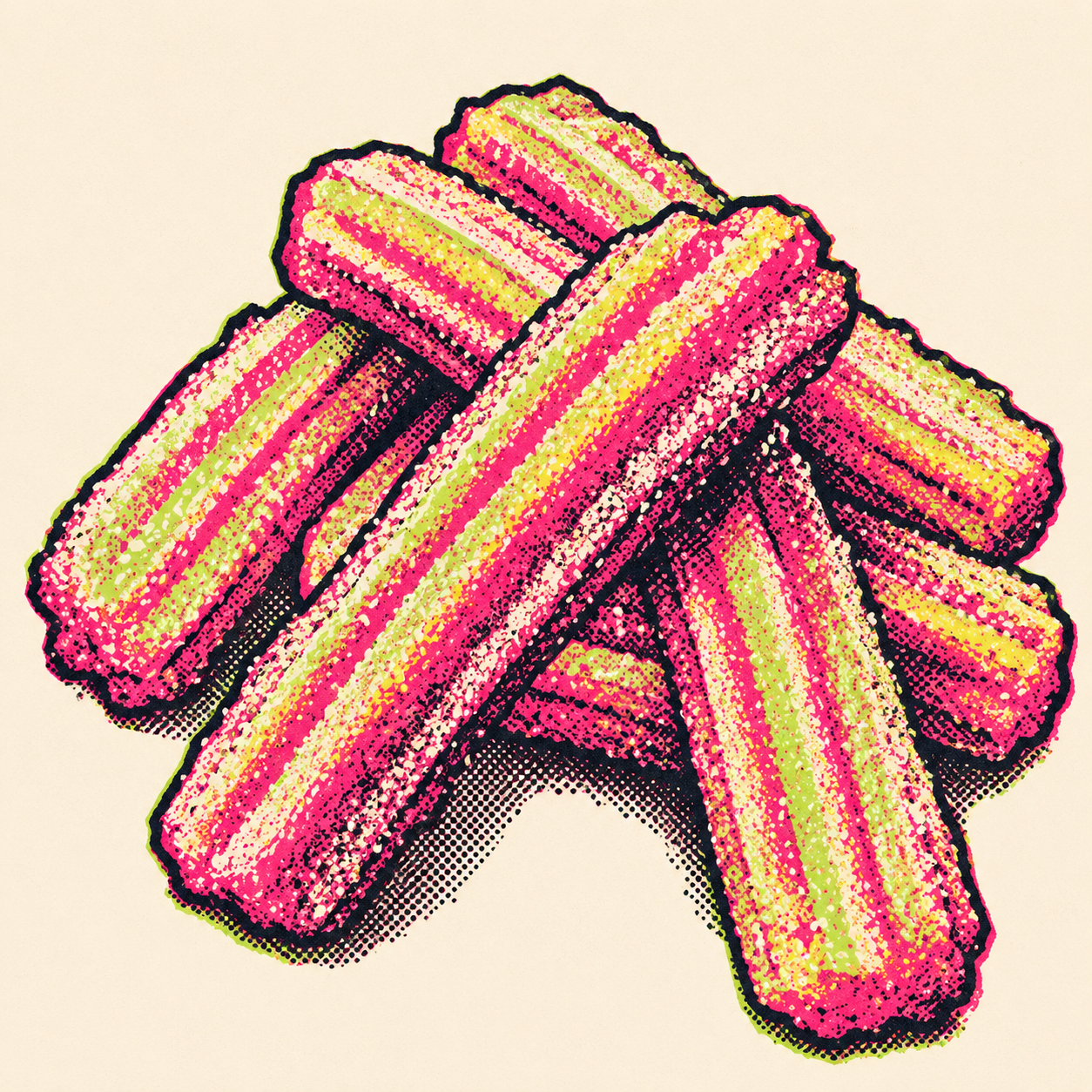
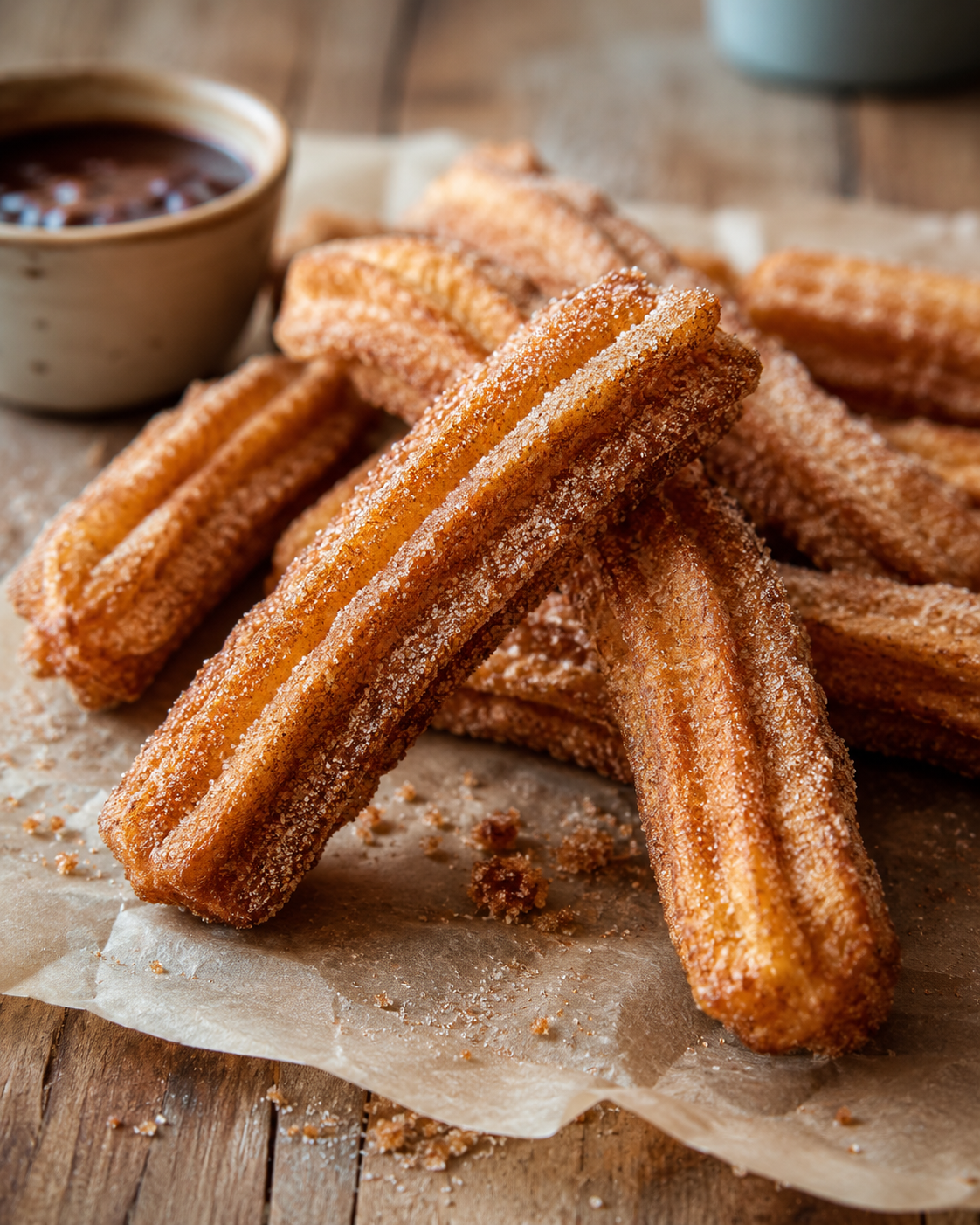
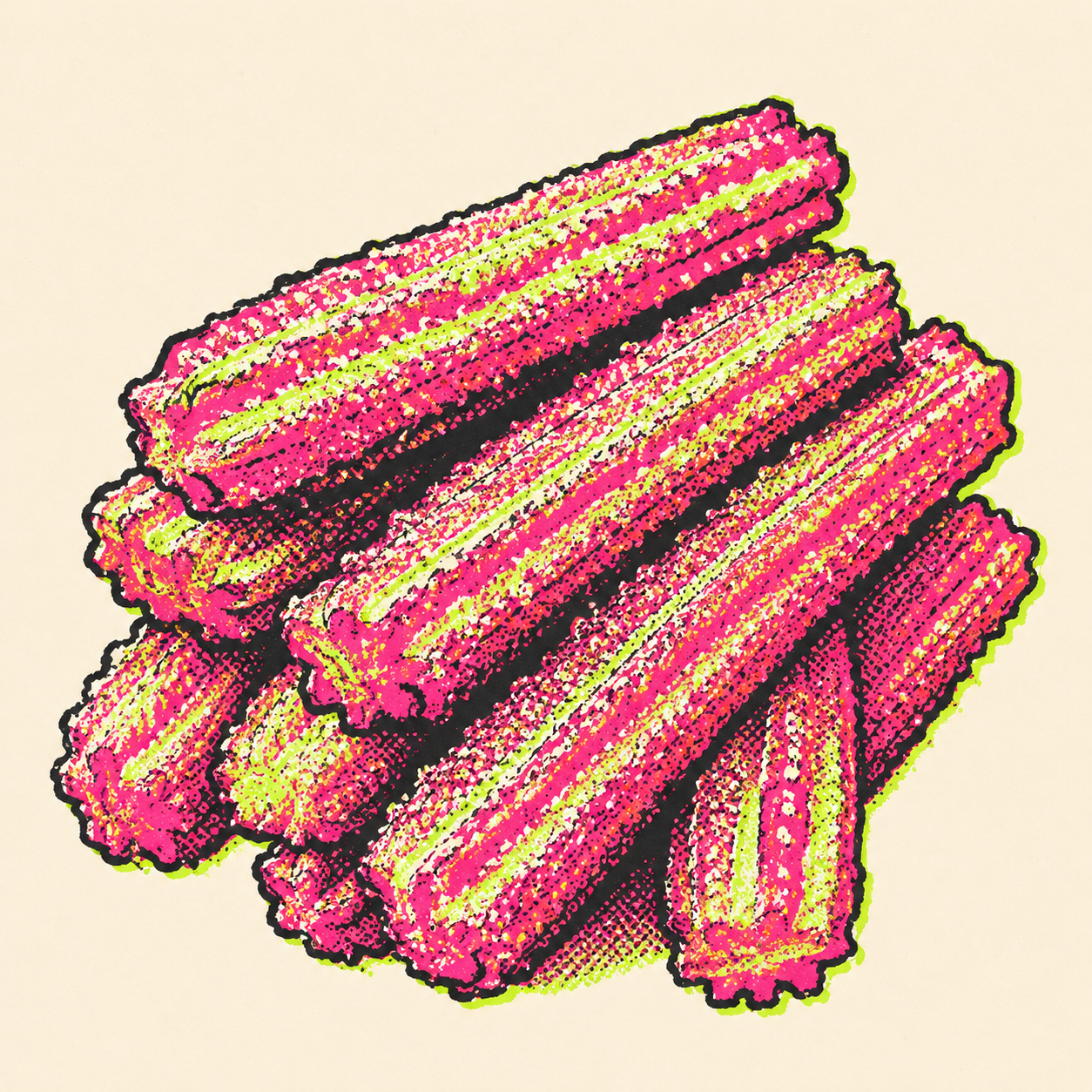
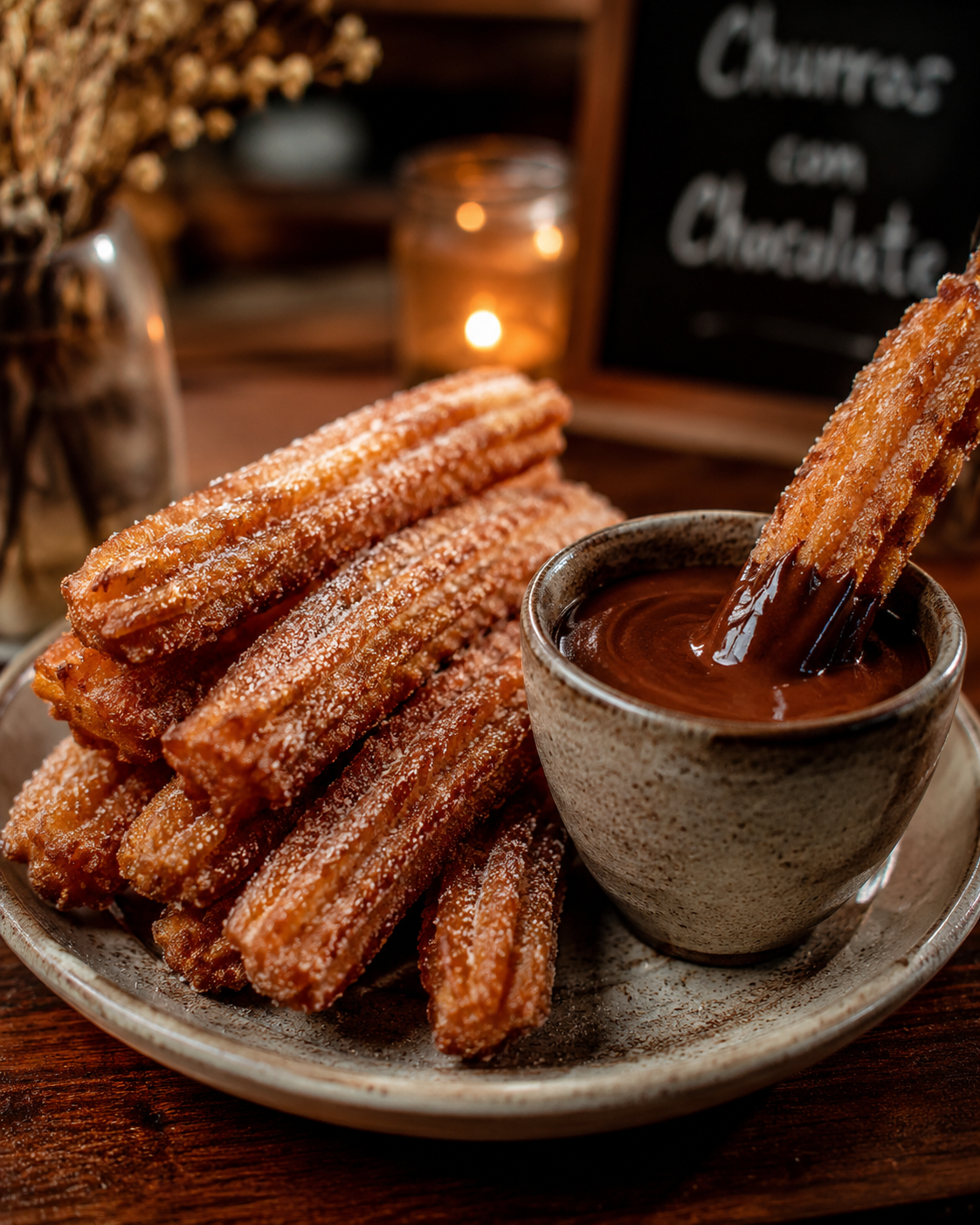
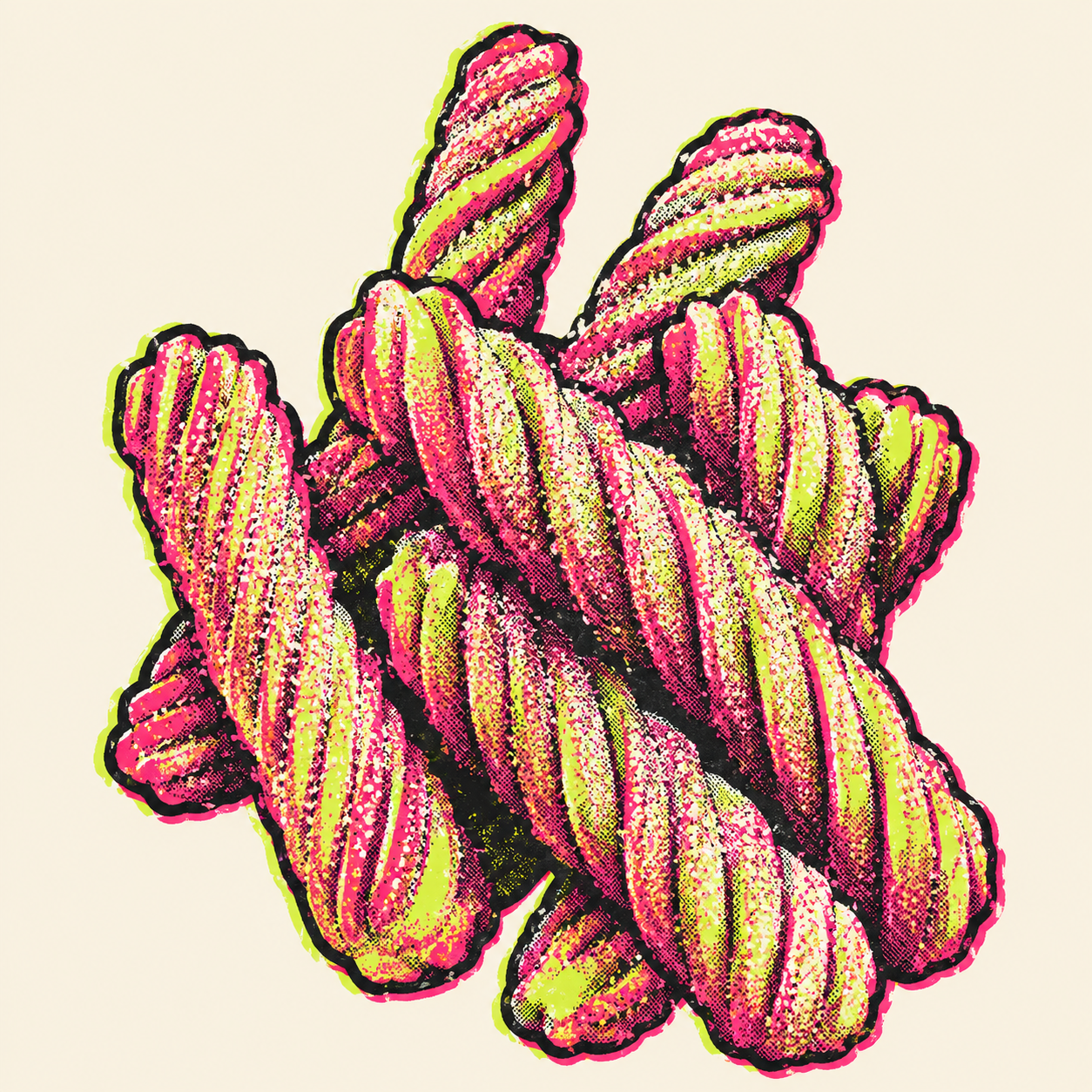
Stacked churros dusted with cinnamon sugar Stacked churros dusted with cinnamon sugar Hover · tap
SpainMexico Fried Vegetarian
Sweet
4/5
Spice
0/5
Era
Pre-modern
Format
Single serve
The Spanish dunk churros into hot chocolate so thick a spoon stands in it. Latin America rolls them in cinnamon sugar and walks.

Origin

The origin of churros is contested between two stories . The youtiao hypothesis claims Portuguese sailors encountered fried-dough sticks in 16th-century Ming China and brought the technique back to the Iberian Peninsula, where it was adapted with a star-nozzle to suit local pastry tools. The shepherd hypothesis claims churros were invented by Spanish churra-sheep herders in the mountains, who needed a flour-and-water dough they could fry in pan grease without an oven.

Both stories have textual gaps. The earliest unambiguous Spanish reference to churros in roughly the modern form dates to the 19th century in Madrid, but the dough itself — masa frita — is older.
Hover · tap
FIG. 01

What it is

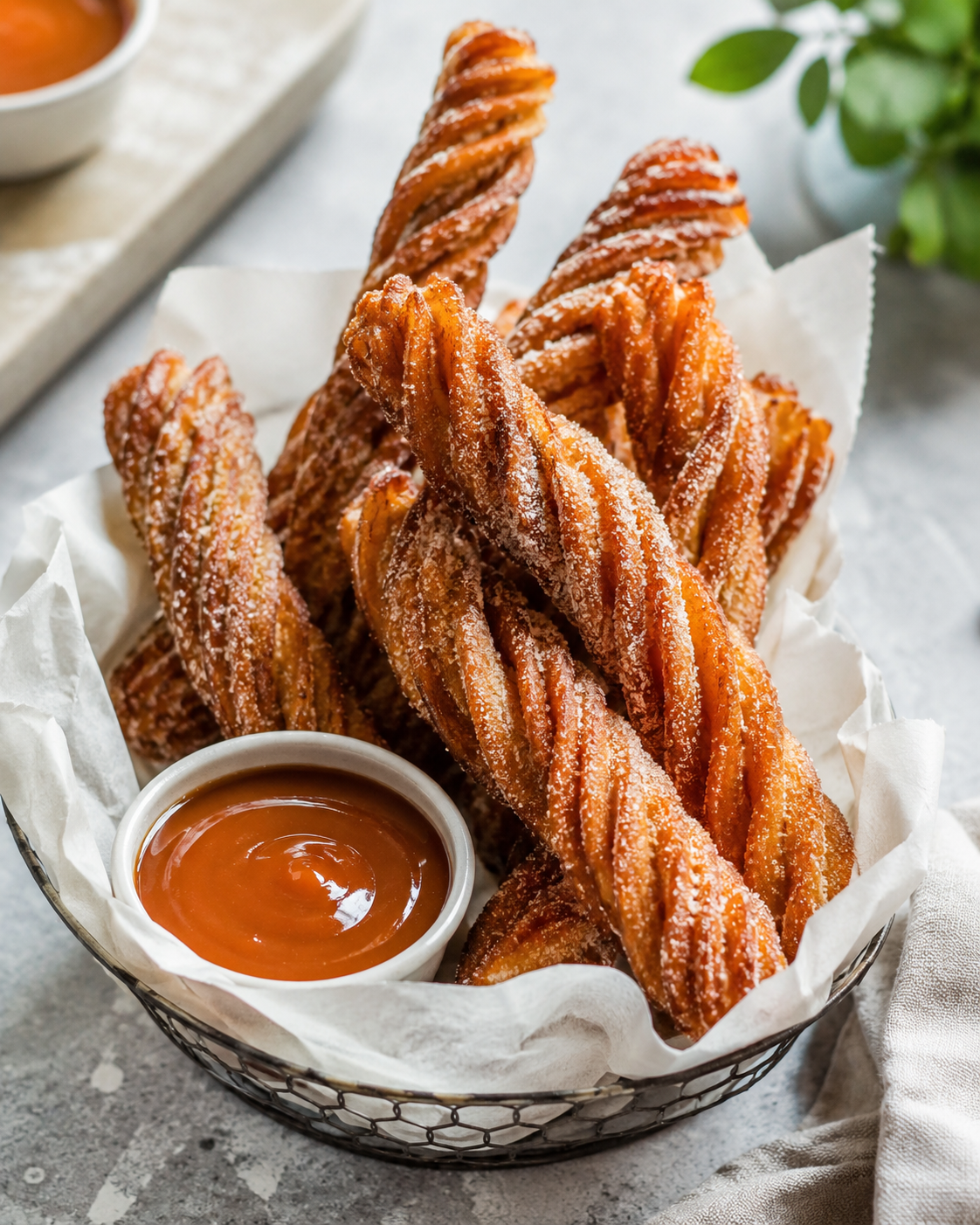
A simple choux-adjacent dough — flour, water, salt, sometimes a touch of fat — piped through a star-shaped nozzle directly into hot oil at around 180–190°C. The ridges from the star nozzle are not decorative: they increase surface area, which both crisps the exterior and ensures the dense interior cooks through before the outside burns.

Once fried, churros are dusted with sugar, often with cinnamon mixed in (more common in Mexico than in Spain), and served with a thick dipping chocolate. The Spanish version is around 2 cm thick and 15–20 cm long; the thicker Madrid variant called porras uses a leavened dough and reaches 4 cm.
Hover · tap
FIG. 02

Cultural context

In Spain, chocolate con churros is a winter breakfast and a late-night snack — particularly after a long evening, served at churrerías that open at 4 a.m. for the post-club crowd. The chocolate is closer to a melted bar than to American hot cocoa: thick enough that a churro absorbs almost no liquid on dipping, just gathers a coat.

In Mexico, churros are street food eaten throughout the day, dusted in cinnamon sugar and often filled with cajeta (goat-milk caramel), chocolate ganache, or dulce de leche. The Mexican version traveled north to the United States and entered the global fast-food vocabulary through Disneyland and amusement-park concession stands in the 1980s.


Hover · tap
FIG. 03

Variations

Porras (Madrid) are the thick-cut leavened cousin. Tejeringos is the Andalusian regional name. Churros rellenos is the Mexican filled variety.

The closest distant cousin remains Chinese youtiao — fried dough sticks served with congee or soy milk, savory rather than sweet, but architecturally identical. Whether this is convergence or transmission depends on which origin story you accept. The French beignet and Italian zeppole share the fried-dough family but use different doughs and shapes.

Hover · tap
FIG. 04

How it’s made

A masa of flour and just-boiled water is mixed quickly into a thick, smooth paste — too cool and it pipes erratically, too hot and the gluten over-develops and the churro turns chewy rather than crisp. The mass rests briefly, then goes into a piping bag fitted with a French star tip (typically size 1M for traditional Spanish, larger for porras).

Frying happens in a large bath of oil, sometimes vegetable, traditionally olive in Spain. The churros are piped directly into the oil and cut with kitchen scissors when they hit the surface. Two minutes per side , no more, then drained on paper and immediately dusted with sugar — the sugar adheres to the still-warm surface oil and does not need a sticky agent.

References

The youtiao-origin hypothesis is discussed in Rachel Laudan ’s Cuisine and Empire (UC Press, 2013); the shepherd hypothesis appears in Néstor Luján ’s Historia de la gastronomía (1988). The chocolate con churros tradition is documented in Madrid municipal records of churrerías from the 1890s onward .

Related

Where to eat it

Churros on the globe

travel wishlist

my next bites · 0

view full page →

Tap a marker, then + WISHLIST to add.