Glossary
Maillard reaction
The Maillard reaction is the browning chemistry that develops between amino acids and reducing sugars at temperatures above 140 °C. It produces the crusts on baked goods, the sear on grilled meat, and the toasted notes in coffee.
Named for the French chemist Louis-Camille Maillard, who first described it in 1912, the reaction is not a single event but a cascade. Reducing sugars and the amino groups of free amino acids first form an unstable Schiff base; that rearranges into Amadori and Heyns intermediates; those decompose under heat into hundreds of aroma compounds — pyrazines, furans, melanoidins — and the brown polymer pigments we read as “crust.”
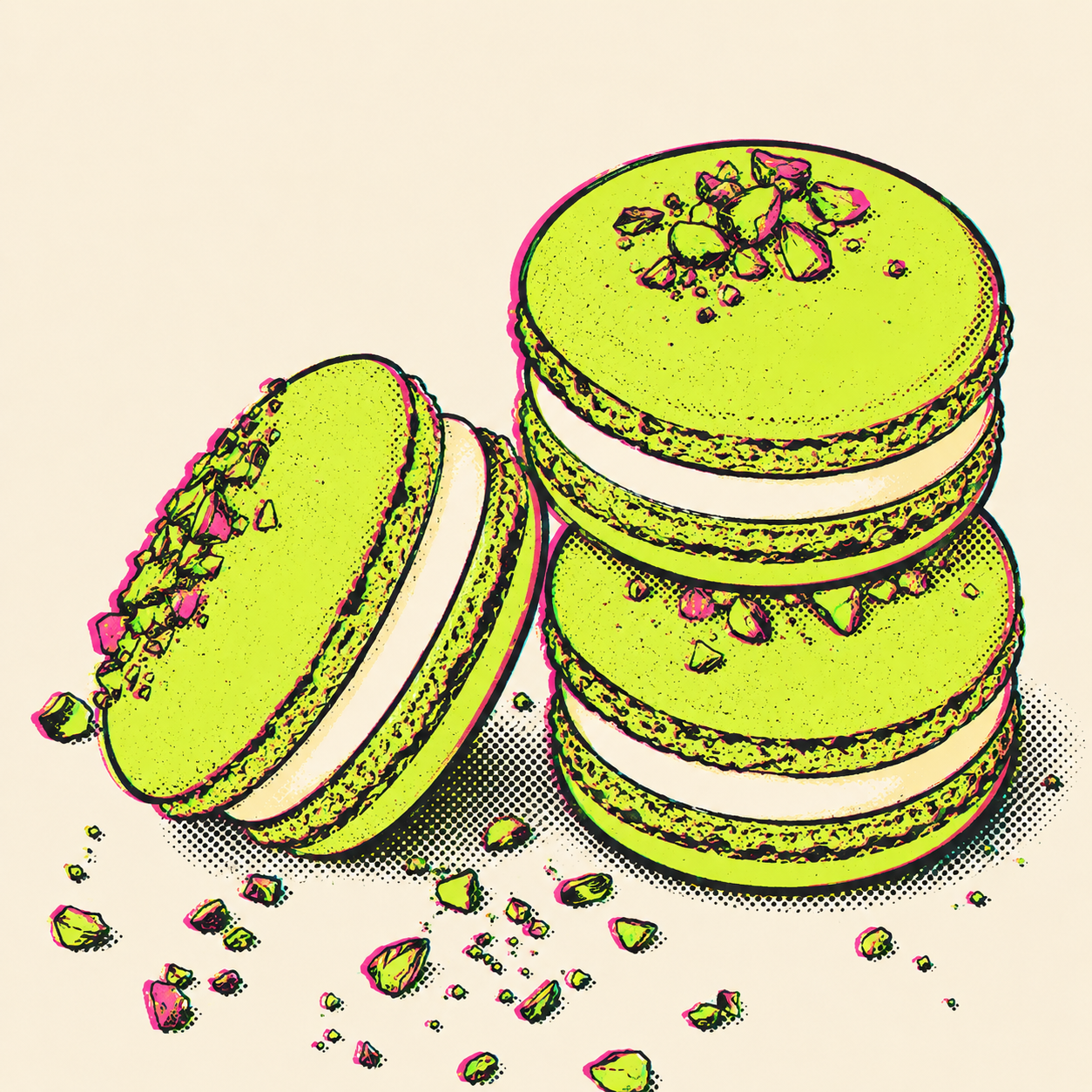
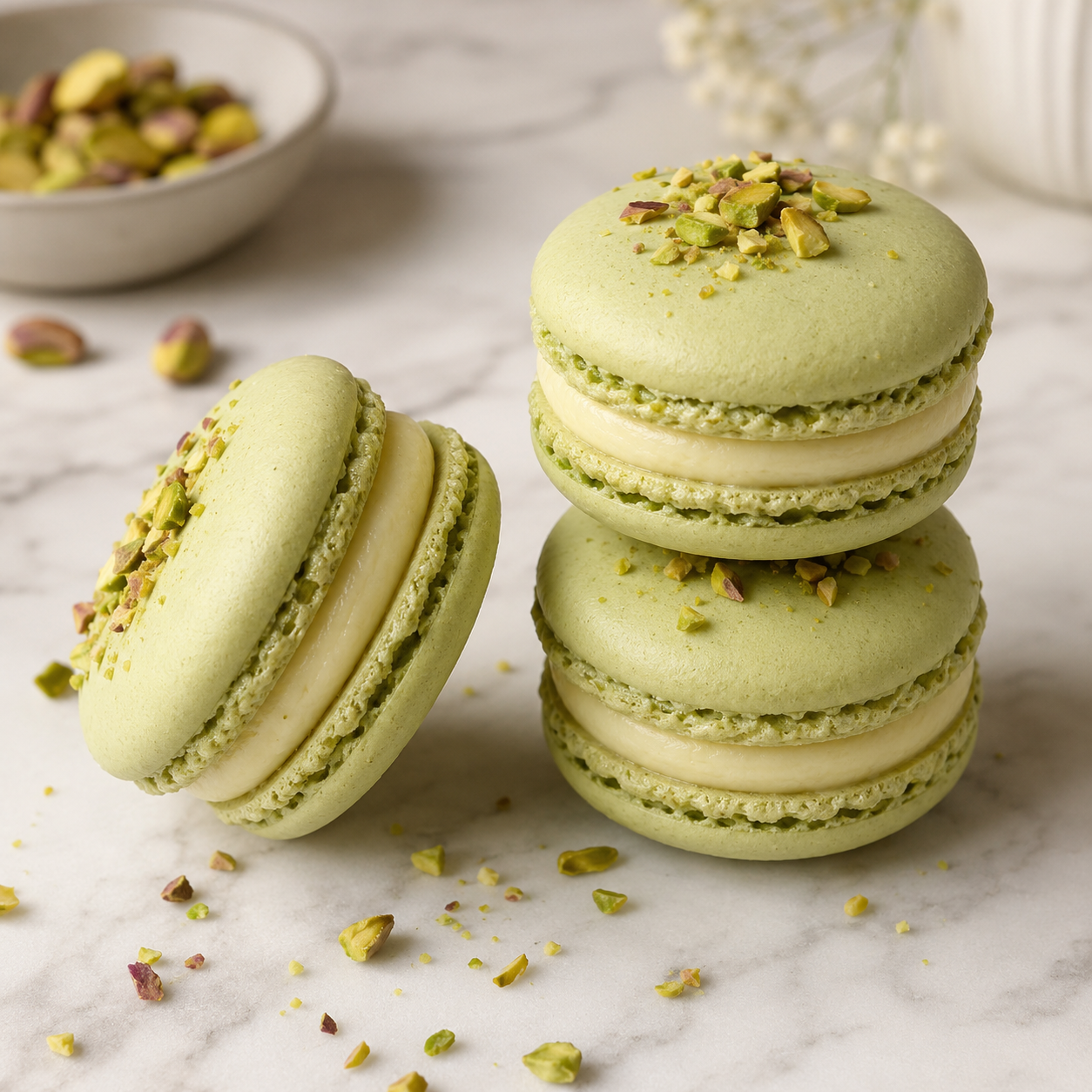
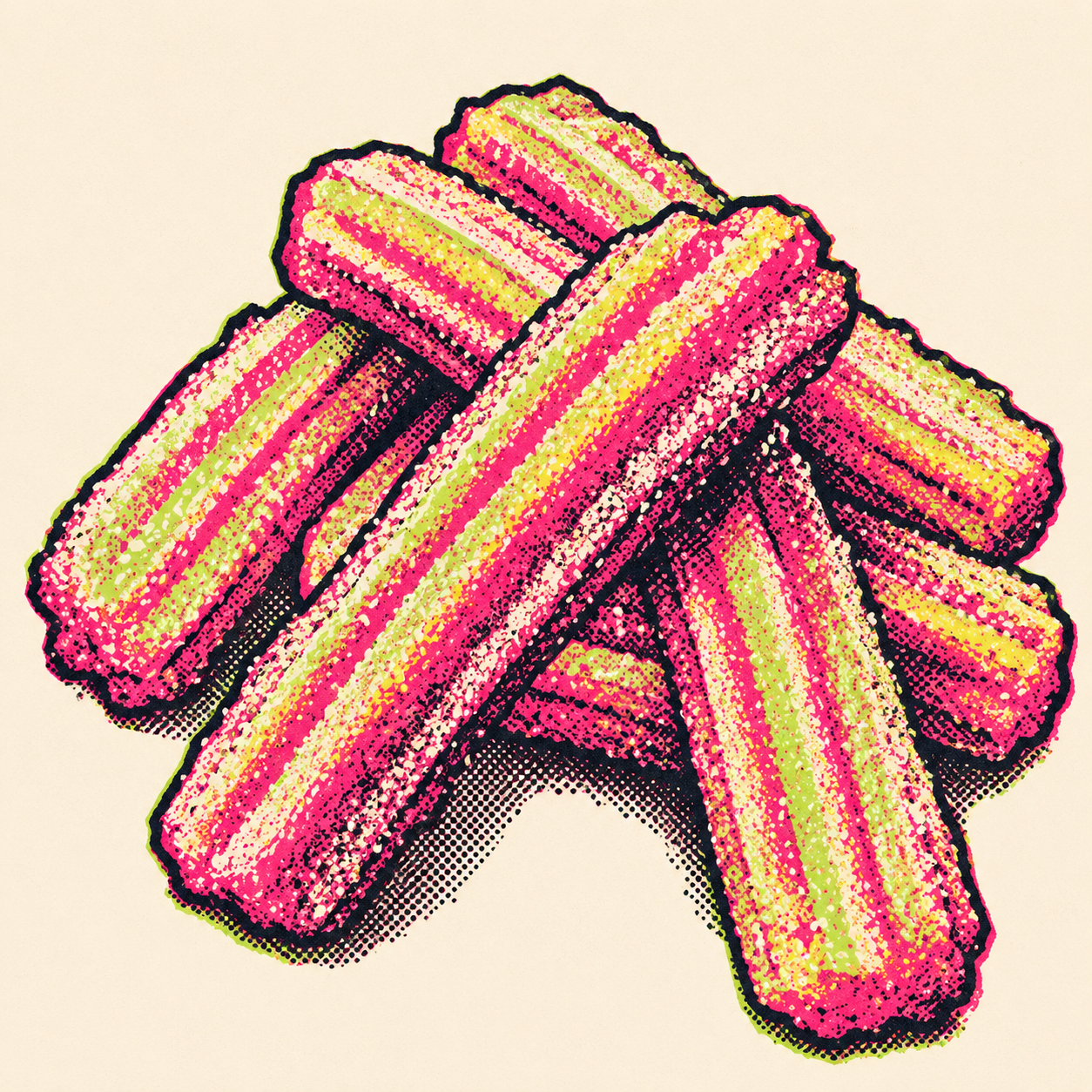
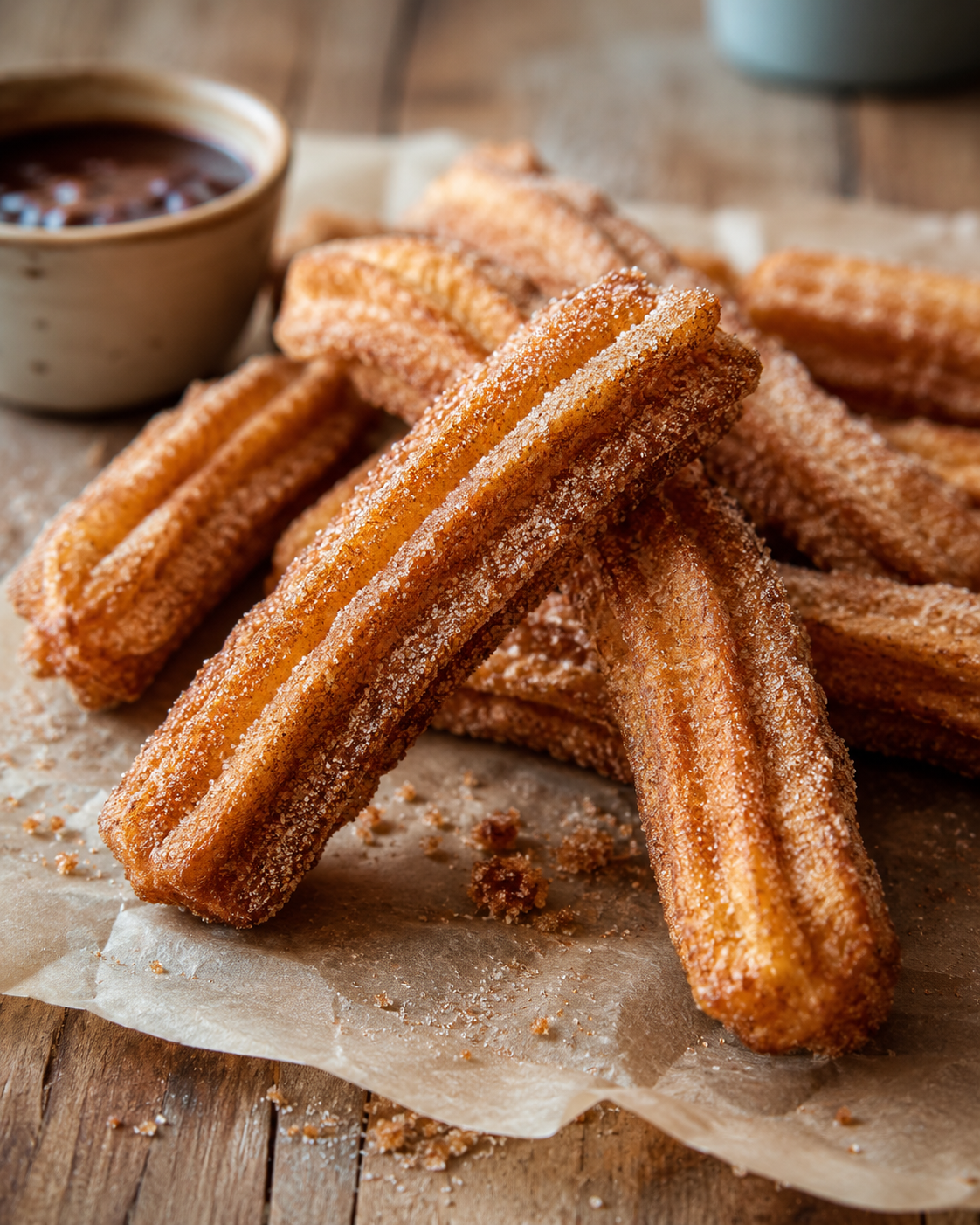
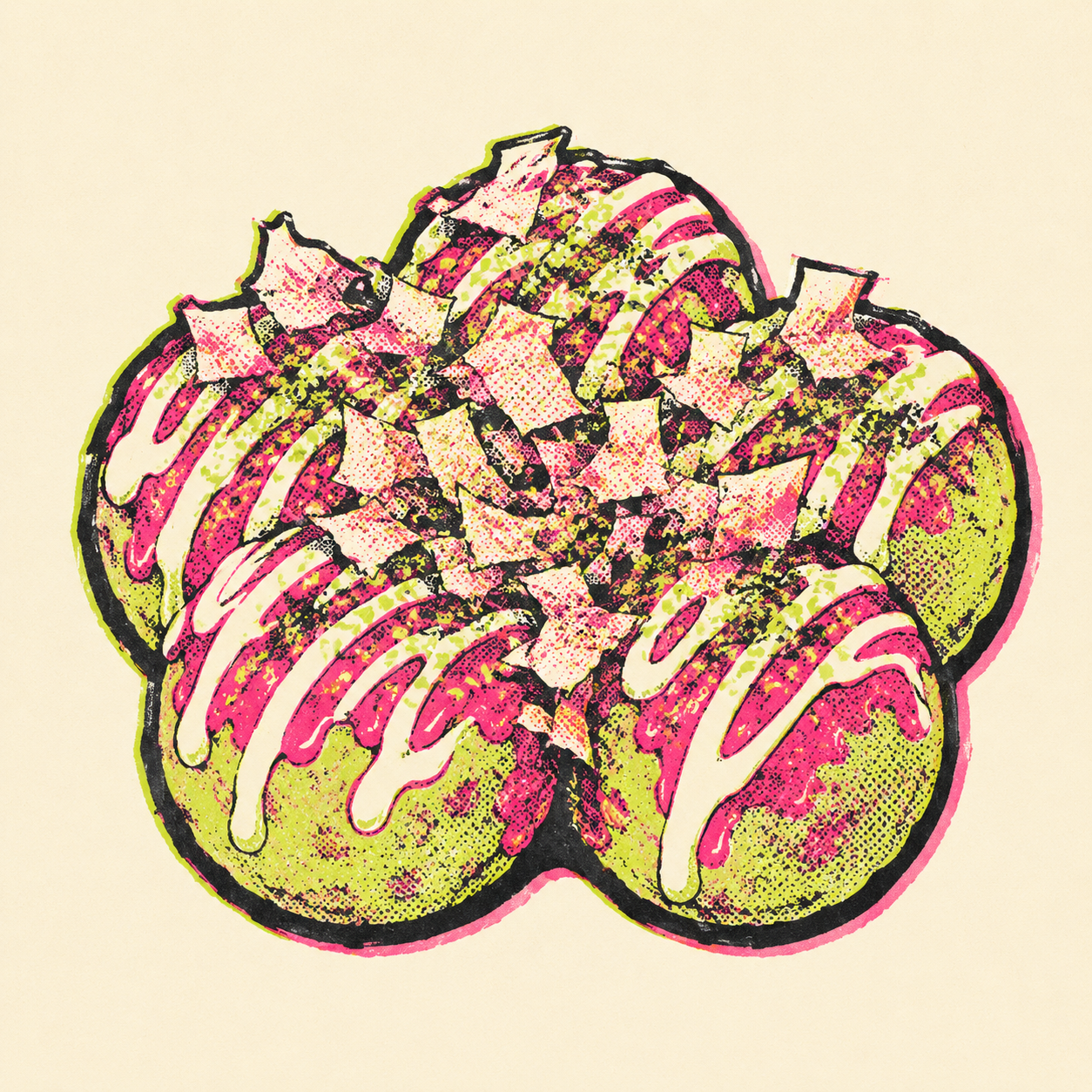
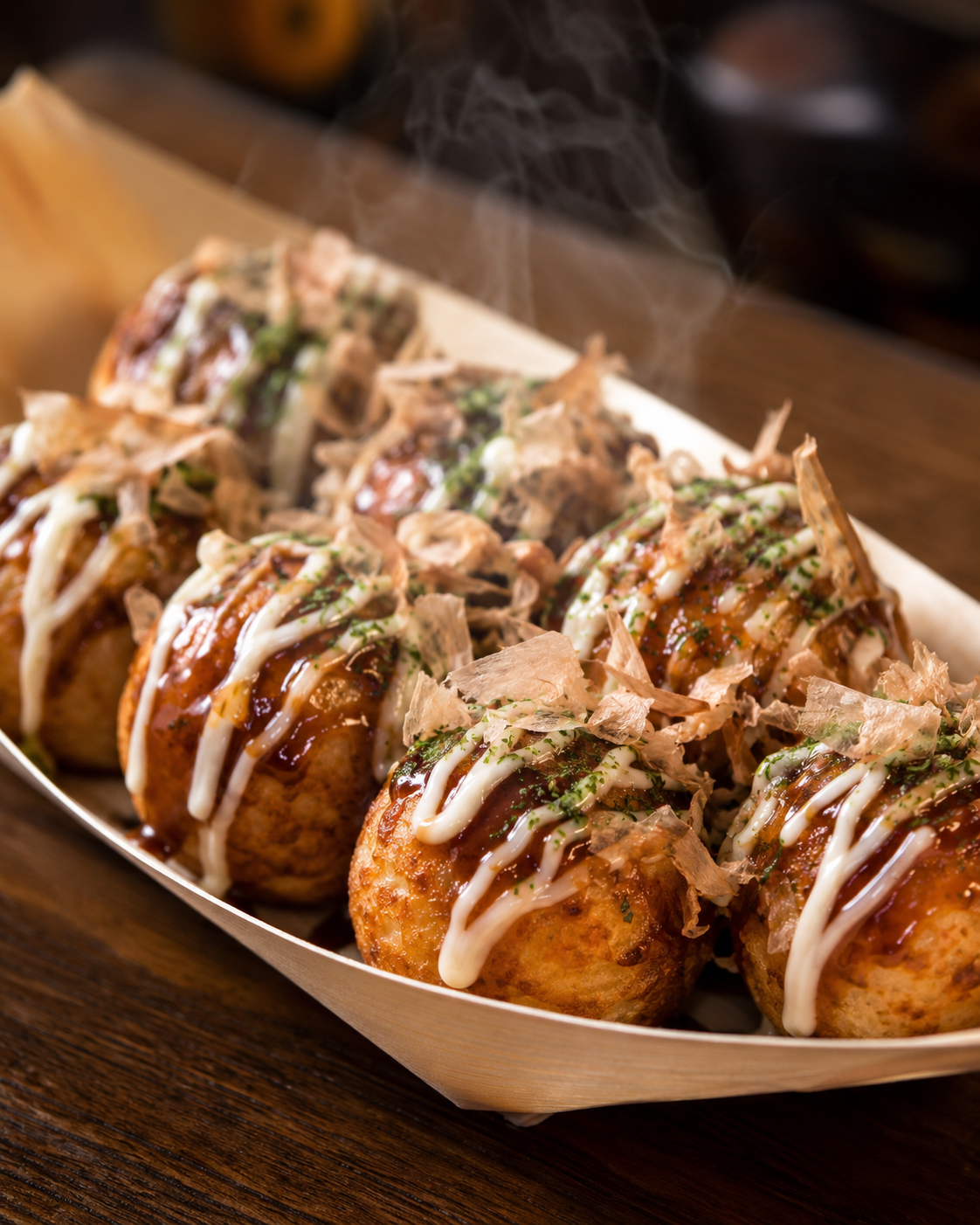
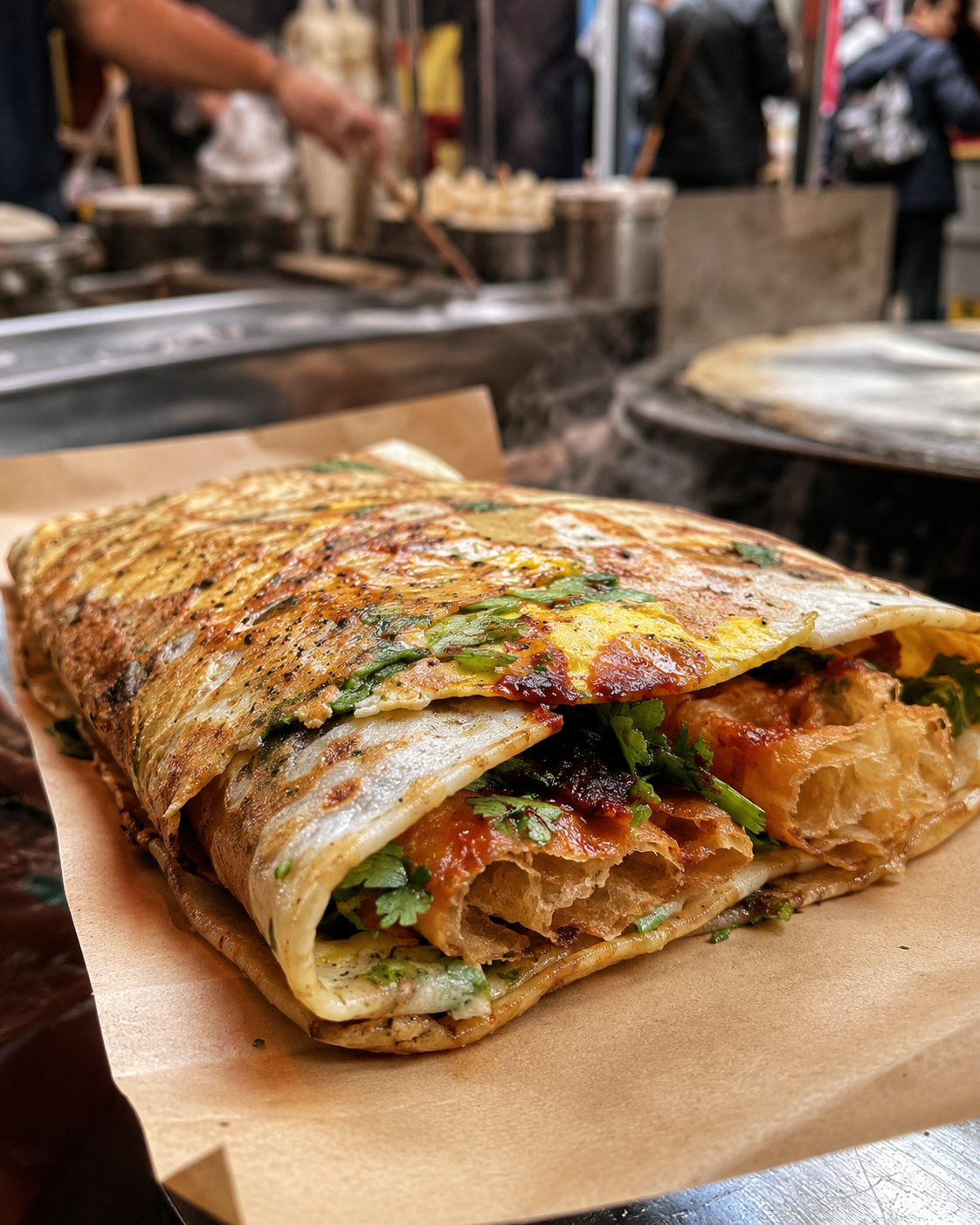
It is the dominant browning mechanism in cooking, distinct from caramelization (which involves only sugar). A macaron’s slight tan, the lacquered surface of a churro, the crisp shell of a takoyaki, and the savory edge of a jianbing’s crepe are all Maillard chemistry happening at different ratios of protein to sugar.
Three variables control it: temperature (the reaction accelerates sharply above 140 °C and degrades at sustained temperatures over 200 °C), pH (alkaline conditions speed it up, which is why pretzels are dipped in lye), and water activity (a wet surface stays at 100 °C until it dries, which is why steam-roasted vegetables brown only after the moisture has evaporated). Cooks who understand these levers can engineer browning where they want it — and avoid it where they don’t.